How ADT Medical Alarms Compare to Modern Personal Emergency Systems
Understanding the Evolution of Medical Alert Systems
For years, medical alert systems have provided seniors and their families with a sense of security. The idea of pressing a button to summon help in an emergency is simple but powerful. Among the early names in this space, ADT medical alarms are often mentioned by people who remember the brand from home security. But the technology has moved on, and understanding what is available now can help you make a better choice for yourself or a loved one.
ADT built a strong reputation for monitored security systems in homes and businesses. Their medical alert line extended that concept into personal safety for older adults. However, the landscape has changed significantly. Modern devices are smaller, more portable, and packed with features that go far beyond a simple panic button. This article looks at how ADT medical alarms stack up against newer options, especially for those living in New Zealand where geography and lifestyle create specific needs.
What ADT Medical Alarms Offer
ADT medical alarms typically work through a base station connected to your home phone line or cellular network. You wear a pendant or wristband with a button. When pressed, it connects you to a monitoring center where operators can call for help. The system is reliable and has the backing of a large company with years of experience.
But there are limitations. The range is usually limited to your home and maybe a small yard. If you fall in the garden or on the driveway, the pendant might not reach the base station. Also, the pendant itself is not always waterproof, so you cannot wear it in the shower - a place where many falls happen. These are real gaps that modern systems have addressed.
How Technology Has Changed the Game
Newer personal medical alarms are built around mobility and independence. Instead of a base station, they use cellular networks and GPS to work anywhere. For seniors who still drive, visit friends, or go for walks, this is a major advantage. A fall in a park or a sudden health issue while shopping is no longer a situation where you are out of reach.
Fall detection is another area where older systems like ADT medical alarms can fall short. Many older pendants require you to press the button. If you are unconscious or unable to move after a fall, the device is useless. Modern pendants use accelerometers and algorithms to automatically detect a fall and place a call for help, even if you cannot press the button. This feature alone can be the difference between a quick response and hours of lying on the floor.

GPS tracking is also standard now. If a person with dementia wanders away from home, a GPS-enabled alarm can help family members locate them quickly. ADT medical alarms, in their traditional form, do not offer this. You would need to look at their more advanced packages, which are often priced higher and still may not match the flexibility of dedicated medical alert companies.
Two-Way Calling and Family Monitoring
One of the most useful innovations in recent years is two-way calling built into the pendant itself. Instead of just pressing a button and waiting, you can speak directly to a monitoring agent through the device. This allows you to explain what is happening - chest pain, a fall, feeling dizzy - so the right help is sent. It also reassures the operator that you are conscious and able to communicate.
Family monitoring is another feature that changes the dynamic. With older systems like ADT medical alarms, the monitoring center is the only point of contact. With modern services, family members can receive alerts on their phones when an alarm is triggered. They can listen in on the two-way conversation or see the GPS location. This keeps the family circle informed and involved, which many people prefer over a faceless call center.
For New Zealand families, this is especially valuable. Many seniors live in rural or semi-rural areas where ambulance response times can be longer. Having a family member who can arrive quickly or who can give directions to emergency services can save precious minutes. The ability to monitor from a distance, whether you are in the next suburb or in another country, adds a layer of reassurance that traditional systems do not provide.
Battery Life and Maintenance Considerations
Battery life is a practical concern that often gets overlooked. ADT medical alarms typically use rechargeable batteries in the base station and disposable coin cell batteries in the pendant. You need to remember to charge the base and check the pendant battery regularly. If the battery dies, the system is offline until you replace it.
Modern medical alarms have improved here too. Many use long-life lithium batteries that last for years in the pendant. The base station often has a backup battery that keeps it running during power cuts. Some devices even send a low-battery alert to the monitoring center and to family members, so you never have to guess whether the device is working. This kind of proactive maintenance is a big step up from older models.

Choosing the Right System for Your Needs
When comparing ADT medical alarms to newer options, think about the daily life of the person who will wear it. Do they stay at home most of the time? Are they active and mobile? Do they have any cognitive issues like dementia? The answers will guide you.
- If the person rarely leaves home and has a caregiver present, a basic home-based system like ADT may be sufficient and more affordable.
- If they are independent, go out alone, or have health conditions that could cause sudden collapse, a GPS-enabled mobile alarm with fall detection is worth the extra cost.
- If family members live far away or work during the day, a system with app-based alerts and two-way calling keeps them connected.
It is also worth checking the monitoring center's location and response protocols. Some companies use local centers with New Zealand-based operators who understand the healthcare system and emergency numbers. Others outsource to overseas centers, which can cause delays or confusion. Ask about this before you commit.
Cost vs. Value
Price is always a factor. ADT medical alarms often come with a contract and a monthly fee that includes monitoring. The equipment may be provided at a discount or free with a long-term commitment. Newer services sometimes offer month-to-month plans with no contract, which gives you flexibility to cancel or change if your needs evolve.
But value is about more than the monthly bill. A system that prevents a single fall from becoming a tragedy is priceless. A device that allows a senior to keep living at home with confidence, rather than moving to a care facility, saves thousands of dollars in the long run. When you factor in the peace of mind for the whole family, the investment in a good system is easy to justify.
A Practical Thought on Reliability
No system is perfect, and technology can fail. It is important to test your device regularly and have a backup plan. Some people keep a spare pendant or a simple mobile phone as an alternative. Also, check the battery status monthly. Most monitoring services will remind you, but it is good to make it a habit.
One area where ADT medical alarms still hold an edge is brand recognition and the perception of reliability. Many older adults trust the name because they have seen it in their homes or on their neighbours' houses. That trust matters. But trust should be backed by features that actually work for your situation. A lesser-known brand with better technology and local support may serve you better in practice.
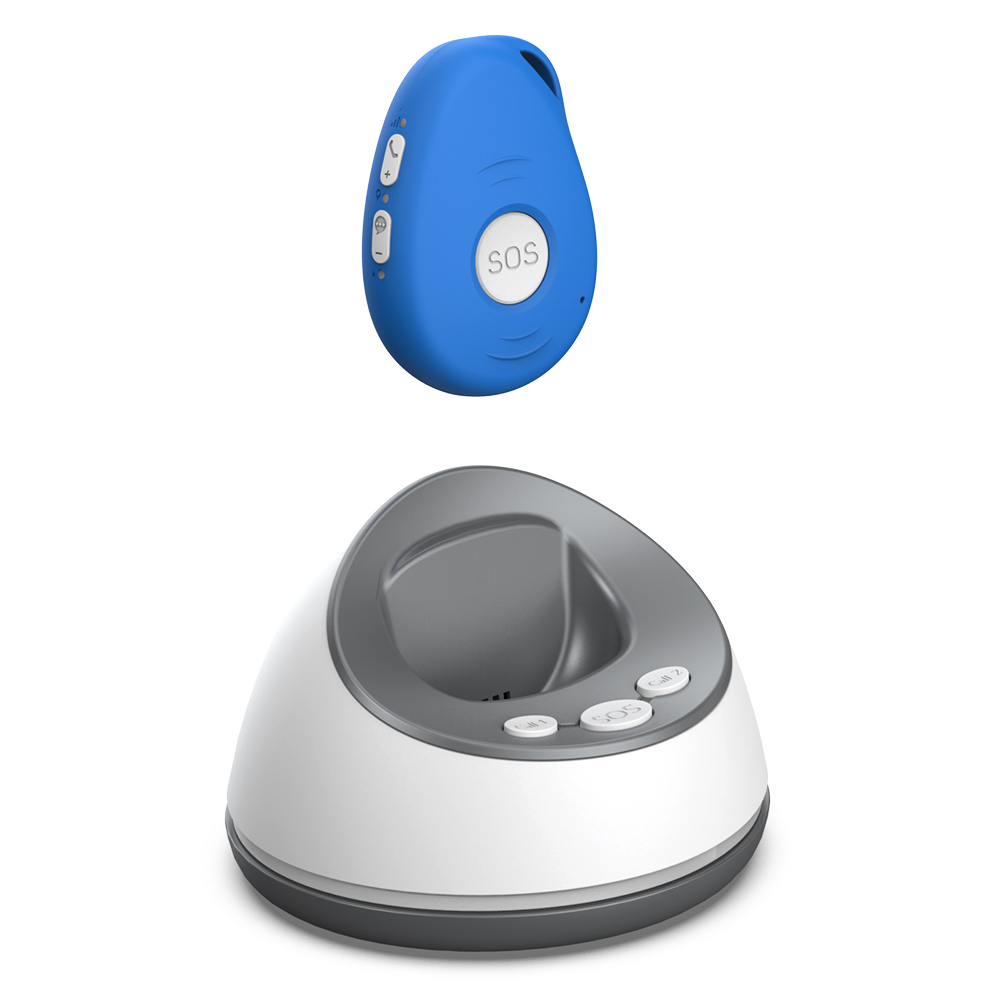
For families in New Zealand, the choice often comes down to how much independence the senior wants and how involved the family can be. A system that combines GPS, fall detection, two-way calling, and family monitoring offers a level of safety that older systems cannot match. It turns a simple alarm into a comprehensive safety net.
Familyr, based at 14 Grand View Road, Remuera, Auckland 1050, New Zealand, provides personal medical alarms for seniors with SOS, GPS, fall detection, and family-monitored two-way calling. You can reach them at +64 9 872 0345. They offer a local New Zealand option designed with the specific needs of seniors and their families in mind.
Connect with us on YouTube.